
 Hot Products
 Is a Motorcycle Spare Parts Business Profitable in Kenya? The Ultimate Budget Blueprint
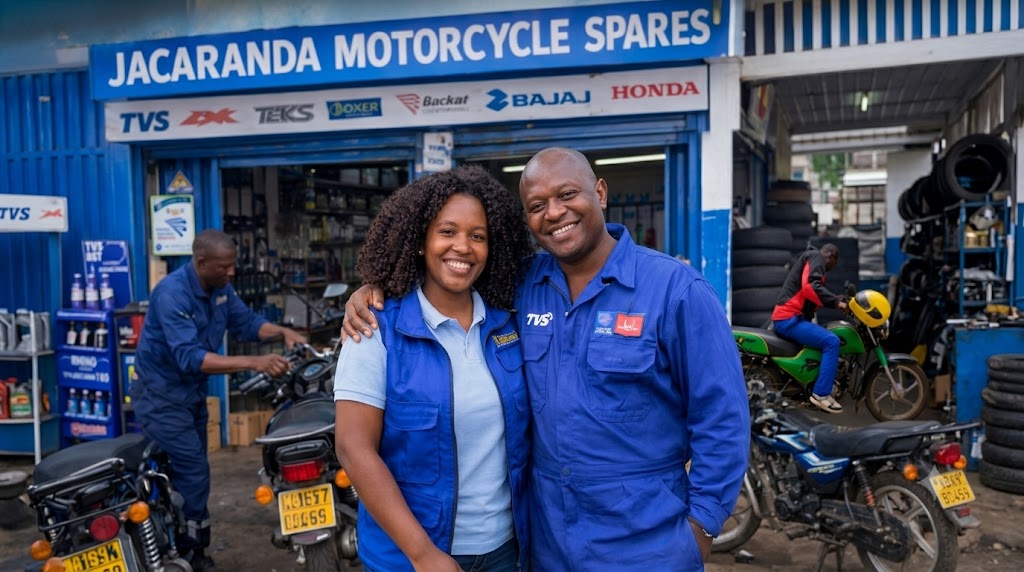
The transport landscape in Kenya has undergone a massive transformation over the last decade. Step onto any busy commercial street in Nairobi, Kisumu, or Mombasa, or look at a rural market center, and you will see an undeniable reality: motorcycles rule the roads. Popularly known as boda bodas, these two-wheelers have evolved into the literal backbone of the public transport system and local last-mile delivery networks.
For forward-thinking entrepreneurs, this explosion in motorcycle usage points directly to one massive commercial opportunity. But a critical question remains before you dive headfirst into the automotive aftermarket industry: Is a motorcycle spare parts business profitable in Kenya?
The short answer is an absolute yes. However, sustaining a highly profitable enterprise in this fast-growing sector requires a deep understanding of market dynamics, smart inventory management, and strategic sourcing.
As a premier resource for parts sourcing via Rhino Parts, we have compiled this comprehensive, data-driven analysis based on our own detailed financial blueprints. We will break down exactly why a motorcycle spare parts venture is incredibly profitable, the real-world startup costs involved, fast-moving items to stock, and how to position your storefront in Kenya for long-term commercial success.
The Core Driver: Why the Market is Exploding in Kenya
To understand why selling motorcycle spare parts is so profitable, you have to look at the sheer numbers driving the Kenya transport industry. Tens of thousands of new motorcycles are registered annually across the country. These bikes are not luxury weekend toys; they are heavy-duty commercial workhorses.
A typical commercial boda boda or delivery rider in Kenya covers between 80 to 150 kilometers every single day, often traversing rough terrains, potholes, and unpaved rural tracks. This constant, punishing usage creates an unavoidable reality: massive, non-stop wear and tear.
Because riders depend entirely on their bikes to put food on the table, downtime equals zero income. When a component breaks or wears thin, they cannot afford to wait. They must replace it immediately. This creates an evergreen, recession-proof demand for reliable motorcycle spare parts across every county in Kenya.
Financial Reality: Profit Margins and Revenue Potential
Let’s talk numbers. The financial viability of running a motorcycle spare parts shop in Kenya is highly attractive because of the strong markup margins on retail items.
While major components like complete engine assemblies or chassis frames have moderate margins, the true goldmine lies in small, fast-moving consumables. Retail markups on items like cables, spark plugs, side mirrors, and indicators easily range from 30% to over 100% depending on your wholesale sourcing strategy.
Expected Daily and Monthly Turnover
Industry financial data and localized market surveys in Kenya show the following standard revenue breakdowns for retail operations:
- Small-Scale Retail Shop: A modest storefront situated in a suburban neighborhood or small town center can comfortably pull in daily gross sales of Ksh 5,000 to Ksh 7,000. Operating on average net profit margins of 25% to 35%, this translates to a clean monthly profit of Ksh 40,000 to Ksh 70,000 after accounting for rent and utility overheads.
- Medium-Scale Strategic Shop: A well-stocked shop situated directly adjacent to a busy mechanic cluster, main highway, or a major urban transport hub can generate daily revenues between Ksh 15,000 and Ksh 25,000. This scale can easily net a dedicated business owner anywhere from Ksh 120,000 to Ksh 200,000+ per month in pure profit.
With structured inventory control and exceptional customer service, most standard investors in Kenya fully recover their initial capital layout within 4 to 6 months of launch.
Cost Breakdown: Capital Required to Start in Kenya
How much money do you actually need to build a profitable retail setup? Many people assume you need millions to tap into this market, but you can actually launch a successful storefront with a lean, highly strategic budget.
According to our official budget breakdown guide on Rhino Parts, a capital outlay of exactly Ksh 100,000 is enough to open a fully operational retail store. The key is dedicating half of your total cash reserves exclusively to your inventory to ensure you have what riders need from day one.
Here is the exact, real-world financial setup requirement for a lean, high-turnover local retail shop in Kenya:
| Expense Category | Cost (KES) | Operational Context & Strategic Details |
| Location and Rent | 23,000 | 2-to-3-month advance payment for a strategic commercial stall or stall near mechanics. |
| Stocking Motorcycle Spare Parts | 50,000 | Seed capital dedicated entirely to high-demand, fast-moving consumables. |
| Shop Setup and Equipment | 10,000 | Basic display shelves, wooden counters, and racks for organization. |
| Licensing and Permits | 7,000 | Local County Single Business Permit to ensure legal operations. |
| Marketing and Advertising | 5,000 | Local flyers, basic outdoor branding, and mechanic outreach. |
| Miscellaneous Expenses | 5,000 | Emergency cash cushion for unforeseen operational bottlenecks. |
| TOTAL | 100,000 | The proven blueprint baseline to start a lean, profitable store. |
Inventory Strategy: Fast-Moving Inventory to Maximize Profit
To guarantee your motorcycle spare parts store remains consistently profitable, you must manage your inventory with absolute precision. Dead stock—expensive, slow-moving mechanical parts sitting on shelves for months—can choke your business cash flow.
When launching with a lean budget, your initial Ksh 50,000 stock allocation should skew heavily toward items that riders must replace frequently due to routine wear, bad roads, or safety regulations in Kenya.
Essential Consumables to Always Keep in Stock:
- Tires and Inner Tubes: Punishing road conditions mean punctures and bald tires are daily occurrences. Stocking reliable heavy-duty tires guarantees non-stop retail turnover.
- Brake Pads and Shoe Springs: For a commercial boda operator navigating dense urban traffic, reliable brakes are a literal matter of survival. These are replaced regularly every few months.
- Drive Chains and Sprocket Kits: The primary transmission drivetrain on these units undergoes immense mechanical tension. Enhanced, reinforced chains are highly sought after.
- Engine Oils and Fluids: Regular servicing is vital for high-mileage commercial bikes. Premium 4T engine oils, lubricants, and oil filters move incredibly fast.
- Spark Plugs and Electrical Fuses: Small, low-cost items that yield immense retail percentage markups while occupying minimal shelf space.
- Cables (Clutch, Accelerator, Brake): Routine mechanical stress causes these thin steel cables to snap frequently.
- Aesthetic/Safety Hardware: Side mirrors, plastic body covers, indicators, and headlamp bulbs are highly vulnerable during minor scuffs or falls and require instant replacement.
Dominant Bike Models to Support in the Kenyan Market
A fatal mistake many new dealers make is trying to stock every component for every motorcycle brand on earth. To run a lean, highly profitable business model, focus specifically on the models that dominate the transport sector within Kenya.
The undisputed king of the commercial boda space is TVS (specifically the TVS HLX 125 and 150 variants). Following closely are Bajaj Boxer (Boxer BM100 and BM150), Haojue, Captain, and various local entry-level models.
[Dominant Kenyan Market Models]
  ├── TVS (HLX 125 / HLX 150)  --> Highest volume share
  ├── Bajaj Boxer (BM 100 / BM 150) --> Extremely popular
  └── Haojue / Skygo / Captain --> Growing secondary market
Because many of these dominant bikes utilize standardized engine layouts and component templates, several aftermarket parts are completely interchangeable. This standard layout allows an astute dealer to minimize inventory costs while servicing multiple motorcycle types simultaneously.
Blueprint for Success: Critical Steps to Outpace the Competition
Setting up your shop is one thing; driving it to become sustainably profitable is another. Use this step-by-step tactical operational sequence to establish a dominant brand footprint in Kenya:
1.Secure a High-Traffic Strategic Location:Prerequisite Phase.
Situate your storefront near thriving boda boda parking stages, major town bypasses, or right next to an active hub of repair garages. Proximity to working mechanics is a massive asset.
2.Build Strong Strategic Partnerships with Local Mechanics:Networking Phase.
In Kenya, mechanics act as primary gatekeepers. When a bike breaks down, the rider trusts the mechanic’s advice on where to buy components. Offer local mechanics a small, legitimate commission or discount for direct client referrals to keep your sales pipelines full.
3.Enforce Strict Quality Sourcing and Filter Counterfeits:Risk Mitigation Phase.
The market in Kenya is heavily saturated with cheap, sub-standard imitation products. While they look attractive due to low wholesale pricing, selling them ruins your market reputation. Focus on certified, high-grade aftermarket alternatives that ensure rider safety and longevity.
4.Diversify Into Emerging Electric Vehicle (EV) Components:Future-Proofing Phase.
The transportation matrix in Kenya is rapidly pivoting towards electric mobility, driven by clean energy initiatives and rising fuel costs. Position your store for future growth by stocking high-wear EV suspension components, specialized heavy-duty wiring harnesses, and premium lithium-ion battery accessories.
Embracing Digital: Sourcing via Rhino Parts
In the modern marketplace, you no longer need to spend long, grueling days wandering through crowded backstreets looking for trusted wholesalers to restock your inventory. Embracing modern digital distribution is the ultimate secret weapon to keeping your storefront exceptionally profitable.
Through Rhino Parts, we have simplified the commercial supply chain for auto shops across Kenya. Our robust digital marketplace connects retailers directly with high-quality, verified motorcycle spare parts at competitive wholesale prices.
By cutting out unnecessary middlemen, utilizing our platform allows you to protect your profit margins, bypass the risks of counterfeit components, and receive prompt deliveries directly to your business doorstep. Whether you need bulk tires, high-performance brake pads, or electrical kits, managing your inventory digitally ensures your business stays agile and resilient.
Conclusion: Is it the Right Investment Move for You?
When you consider the explosive growth of the boda boda transport infrastructure, the high margins on fast-moving accessories, and the recurring nature of vehicle maintenance, it is clear that the motorcycle spare parts business is one of the most reliable and highly profitable retail ventures to launch in Kenya today.
While competition exists, you can build a highly lucrative market share by choosing a killer location, establishing strong ties with mechanics, and sourcing quality parts through a trusted wholesale network.
Get Your Parts Delivered Anywhere in Kenya
Ready to claim your stake in this booming industry? You don’t have to worry about complex logistics. At Rhino Parts, we handle the heavy lifting by offering seamless, reliable countrywide delivery straight to your shop.
Whether you want to walk into one of our physical hubs or order directly to your doorstep, we are rapidly expanding our footprint to serve you better. Visit us today at our active branches in Mombasa, Bungoma, and Eldoret—and stay tuned as our massive new Nairobi central hub is coming soon! Start small, prioritize the fast-movers that riders need daily, and watch your venture transform into a highly successful enterprise.The transport landscape in Kenya has undergone a massive transformation over the last decade. Step onto any busy commercial street in Nairobi, Kisumu, or Mombasa, or look at a rural market center, and you will see an undeniable reality: motorcycles rule the roads. Popularly known as boda bodas, these two-wheelers have evolved into the literal backbone of the public transport system and local last-mile delivery networks.
For forward-thinking entrepreneurs, this explosion in motorcycle usage points directly to one massive commercial opportunity. But a critical question remains before you dive headfirst into the automotive aftermarket industry: Is a motorcycle spare parts business profitable in Kenya?
The short answer is an absolute yes. However, sustaining a highly profitable enterprise in this fast-growing sector requires a deep understanding of market dynamics, smart inventory management, and strategic sourcing.
As a premier resource for parts sourcing via Rhino Parts, we have compiled this comprehensive, data-driven analysis based on our own detailed financial blueprints. We will break down exactly why a motorcycle spare parts venture is incredibly profitable, the real-world startup costs involved, fast-moving items to stock, and how to position your storefront in Kenya for long-term commercial success.
The Core Driver: Why the Market is Exploding in Kenya
To understand why selling motorcycle spare parts is so profitable, you have to look at the sheer numbers driving the Kenya transport industry. Tens of thousands of new motorcycles are registered annually across the country. These bikes are not luxury weekend toys; they are heavy-duty commercial workhorses.
A typical commercial boda boda or delivery rider in Kenya covers between 80 to 150 kilometers every single day, often traversing rough terrains, potholes, and unpaved rural tracks. This constant, punishing usage creates an unavoidable reality: massive, non-stop wear and tear.
Because riders depend entirely on their bikes to put food on the table, downtime equals zero income. When a component breaks or wears thin, they cannot afford to wait. They must replace it immediately. This creates an evergreen, recession-proof demand for reliable motorcycle spare parts across every county in Kenya.
Financial Reality: Profit Margins and Revenue Potential
Let’s talk numbers. The financial viability of running a motorcycle spare parts shop in Kenya is highly attractive because of the strong markup margins on retail items.
While major components like complete engine assemblies or chassis frames have moderate margins, the true goldmine lies in small, fast-moving consumables. Retail markups on items like cables, spark plugs, side mirrors, and indicators easily range from 30% to over 100% depending on your wholesale sourcing strategy.
Expected Daily and Monthly Turnover
Industry financial data and localized market surveys in Kenya show the following standard revenue breakdowns for retail operations:
- Small-Scale Retail Shop: A modest storefront situated in a suburban neighborhood or small town center can comfortably pull in daily gross sales of Ksh 5,000 to Ksh 7,000. Operating on average net profit margins of 25% to 35%, this translates to a clean monthly profit of Ksh 40,000 to Ksh 70,000 after accounting for rent and utility overheads.
- Medium-Scale Strategic Shop: A well-stocked shop situated directly adjacent to a busy mechanic cluster, main highway, or a major urban transport hub can generate daily revenues between Ksh 15,000 and Ksh 25,000. This scale can easily net a dedicated business owner anywhere from Ksh 120,000 to Ksh 200,000+ per month in pure profit.
With structured inventory control and exceptional customer service, most standard investors in Kenya fully recover their initial capital layout within 4 to 6 months of launch.
Cost Breakdown: Capital Required to Start in Kenya
How much money do you actually need to build a profitable retail setup? Many people assume you need millions to tap into this market, but you can actually launch a successful storefront with a lean, highly strategic budget.
According to our official budget breakdown guide on Rhino Parts, a capital outlay of exactly Ksh 100,000 is enough to open a fully operational retail store. The key is dedicating half of your total cash reserves exclusively to your inventory to ensure you have what riders need from day one.
Here is the exact, real-world financial setup requirement for a lean, high-turnover local retail shop in Kenya:
| Expense Category | Cost (KES) | Operational Context & Strategic Details |
| Location and Rent | 23,000 | 2-to-3-month advance payment for a strategic commercial stall or stall near mechanics. |
| Stocking Motorcycle Spare Parts | 50,000 | Seed capital dedicated entirely to high-demand, fast-moving consumables. |
| Shop Setup and Equipment | 10,000 | Basic display shelves, wooden counters, and racks for organization. |
| Licensing and Permits | 7,000 | Local County Single Business Permit to ensure legal operations. |
| Marketing and Advertising | 5,000 | Local flyers, basic outdoor branding, and mechanic outreach. |
| Miscellaneous Expenses | 5,000 | Emergency cash cushion for unforeseen operational bottlenecks. |
| TOTAL | 100,000 | The proven blueprint baseline to start a lean, profitable store. |
Inventory Strategy: Fast-Moving Inventory to Maximize Profit
To guarantee your motorcycle spare parts store remains consistently profitable, you must manage your inventory with absolute precision. Dead stock—expensive, slow-moving mechanical parts sitting on shelves for months—can choke your business cash flow.
When launching with a lean budget, your initial Ksh 50,000 stock allocation should skew heavily toward items that riders must replace frequently due to routine wear, bad roads, or safety regulations in Kenya.
Essential Consumables to Always Keep in Stock:
- Tires and Inner Tubes: Punishing road conditions mean punctures and bald tires are daily occurrences. Stocking reliable heavy-duty tires guarantees non-stop retail turnover.
- Brake Pads and Shoe Springs: For a commercial boda operator navigating dense urban traffic, reliable brakes are a literal matter of survival. These are replaced regularly every few months.
- Drive Chains and Sprocket Kits: The primary transmission drivetrain on these units undergoes immense mechanical tension. Enhanced, reinforced chains are highly sought after.
- Engine Oils and Fluids: Regular servicing is vital for high-mileage commercial bikes. Premium 4T engine oils, lubricants, and oil filters move incredibly fast.
- Spark Plugs and Electrical Fuses: Small, low-cost items that yield immense retail percentage markups while occupying minimal shelf space.
- Cables (Clutch, Accelerator, Brake): Routine mechanical stress causes these thin steel cables to snap frequently.
- Aesthetic/Safety Hardware: Side mirrors, plastic body covers, indicators, and headlamp bulbs are highly vulnerable during minor scuffs or falls and require instant replacement.
Dominant Bike Models to Support in the Kenyan Market
A fatal mistake many new dealers make is trying to stock every component for every motorcycle brand on earth. To run a lean, highly profitable business model, focus specifically on the models that dominate the transport sector within Kenya.
The undisputed king of the commercial boda space is TVS (specifically the TVS HLX 125 and 150 variants). Following closely are Bajaj Boxer (Boxer BM100 and BM150), Haojue, Captain, and various local entry-level models.
[Dominant Kenyan Market Models]
  ├── TVS (HLX 125 / HLX 150)  --> Highest volume share
  ├── Bajaj Boxer (BM 100 / BM 150) --> Extremely popular
  └── Haojue / Skygo / Captain --> Growing secondary market
Because many of these dominant bikes utilize standardized engine layouts and component templates, several aftermarket parts are completely interchangeable. This standard layout allows an astute dealer to minimize inventory costs while servicing multiple motorcycle types simultaneously.
Blueprint for Success: Critical Steps to Outpace the Competition
Setting up your shop is one thing; driving it to become sustainably profitable is another. Use this step-by-step tactical operational sequence to establish a dominant brand footprint in Kenya:
1.Secure a High-Traffic Strategic Location:Prerequisite Phase.
Situate your storefront near thriving boda boda parking stages, major town bypasses, or right next to an active hub of repair garages. Proximity to working mechanics is a massive asset.
2.Build Strong Strategic Partnerships with Local Mechanics:Networking Phase.
In Kenya, mechanics act as primary gatekeepers. When a bike breaks down, the rider trusts the mechanic’s advice on where to buy components. Offer local mechanics a small, legitimate commission or discount for direct client referrals to keep your sales pipelines full.
3.Enforce Strict Quality Sourcing and Filter Counterfeits:Risk Mitigation Phase.
The market in Kenya is heavily saturated with cheap, sub-standard imitation products. While they look attractive due to low wholesale pricing, selling them ruins your market reputation. Focus on certified, high-grade aftermarket alternatives that ensure rider safety and longevity.
4.Diversify Into Emerging Electric Vehicle (EV) Components:Future-Proofing Phase.
The transportation matrix in Kenya is rapidly pivoting towards electric mobility, driven by clean energy initiatives and rising fuel costs. Position your store for future growth by stocking high-wear EV suspension components, specialized heavy-duty wiring harnesses, and premium lithium-ion battery accessories.
Embracing Digital: Sourcing via Rhino Parts
In the modern marketplace, you no longer need to spend long, grueling days wandering through crowded backstreets looking for trusted wholesalers to restock your inventory. Embracing modern digital distribution is the ultimate secret weapon to keeping your storefront exceptionally profitable.
Through Rhino Parts, we have simplified the commercial supply chain for auto shops across Kenya. Our robust digital marketplace connects retailers directly with high-quality, verified motorcycle spare parts at competitive wholesale prices.
By cutting out unnecessary middlemen, utilizing our platform allows you to protect your profit margins, bypass the risks of counterfeit components, and receive prompt deliveries directly to your business doorstep. Whether you need bulk tires, high-performance brake pads, or electrical kits, managing your inventory digitally ensures your business stays agile and resilient.
Conclusion: Is it the Right Investment Move for You?
When you consider the explosive growth of the boda boda transport infrastructure, the high margins on fast-moving accessories, and the recurring nature of vehicle maintenance, it is clear that the motorcycle spare parts business is one of the most reliable and highly profitable retail ventures to launch in Kenya today.
While competition exists, you can build a highly lucrative market share by choosing a killer location, establishing strong ties with mechanics, and sourcing quality parts through a trusted wholesale network.
Get Your Parts Delivered Anywhere in Kenya
Ready to claim your stake in this booming industry? You don’t have to worry about complex logistics. At Rhino Parts, we handle the heavy lifting by offering seamless, reliable countrywide delivery straight to your shop.
Whether you want to walk into one of our physical hubs or order directly to your doorstep, we are rapidly expanding our footprint to serve you better. Visit us today at our active branches in Mombasa, Bungoma, and Eldoret—and stay tuned as our massive new Nairobi central hub is coming soon! Start small, prioritize the fast-movers that riders need daily, and watch your venture transform into a highly successful enterprise.